
by Stephen James Hall | Aug 17, 2026 | Accessibility, Browser, Governance, Optimization, Retrieval, Workflow |
The glossary is always under construction 🙂 Last updated 8/17/2026 This glossary is a living reference for the foundational concepts, data structures, and architectural standards that drive modern search engine optimization and machine retrieval. It bridges web...

by lucent | Aug 15, 2026 | Governance, Information Architecture, Retrieval, Workflow |
Context assembly is the process of selecting, organizing, and relating the information needed for a particular task. It establishes the working context within which a person, AI system, or software process interprets a question and develops a response. Every task...

by lucent | Aug 15, 2026 | Governance, Optimization, Retrieval, Workflow |
Content governance is the ongoing practice of maintaining a website’s quality, structure, consistency, and reliability throughout its lifecycle. It establishes the standards, responsibilities, and review processes that help a growing body of content remain useful...

by lucent | Aug 14, 2026 | Accessibility, Information Architecture, Optimization, Workflow |
Document engineering is the deliberate design of a document as a durable information object. It considers not only what a document says, but also how its meaning, structure, relationships, accessibility, and history can remain understandable as the document moves...

by lucent | Aug 13, 2026 | Automation, Governance, Retrieval, Workflow |
A connector is a controlled bridge between an AI workflow and an external system, such as a database, content management system, calendar, document repository, or application programming interface. Connectors allow a workflow to access or exchange information where...
by lucent | Aug 12, 2026 | Automation, Governance, Optimization, Workflow |
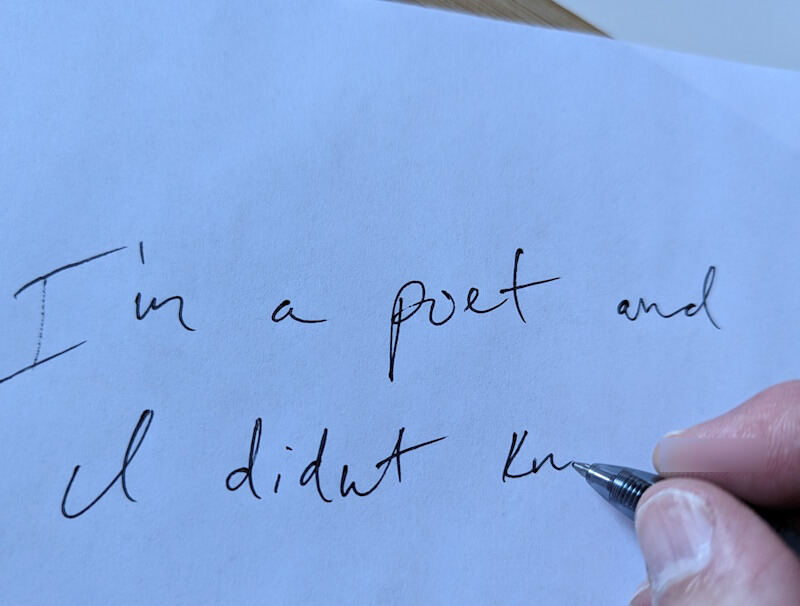
Ethical AI-assisted writing means using artificial intelligence to support the work without abandoning responsibility for its accuracy, originality, privacy, or effect on readers. AI can help organize notes, explore explanations, draft passages, and identify gaps. The...