
by lucent | Aug 22, 2026 | Accessibility, Browser, HTML, Web Design |
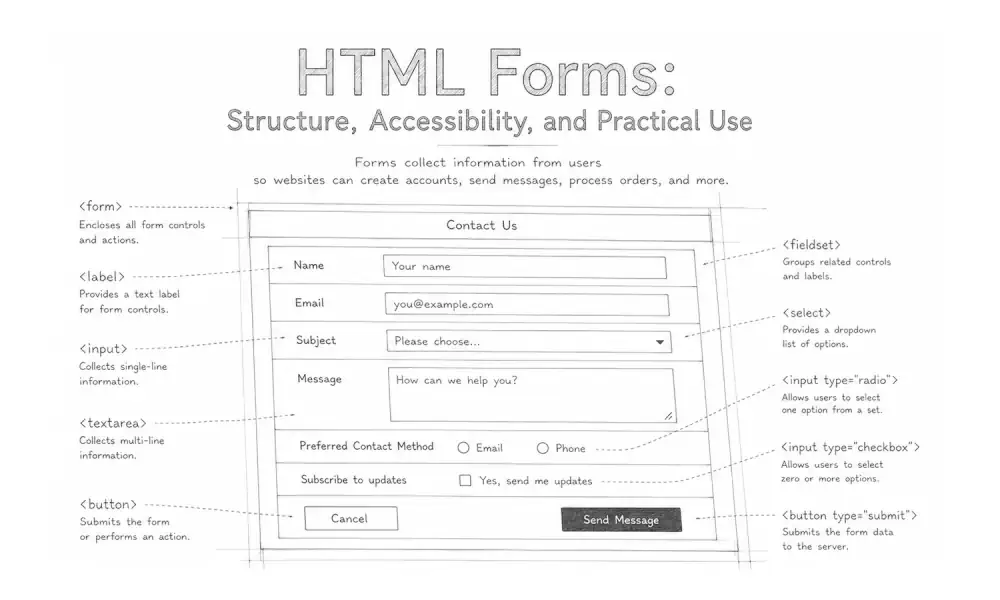
Accessible forms allow people to understand what information is requested, enter it using different input methods, identify mistakes, and complete a task without unnecessary barriers. Clear labels, native HTML controls, useful instructions, understandable errors, and...

by lucent | Aug 20, 2026 | Accessibility, Optimization, Standards, Web Design |
Assistive technologies are hardware, software, and adaptive tools that help people interact with digital content. Screen readers, screen magnifiers, voice recognition software, braille displays, switch controls, and alternative keyboards are common examples. These...

by lucent | Aug 18, 2026 | Accessibility, Browser, Optimization, Web Design |
Modern CSS includes powerful tools for layout, component design, responsive behavior, theming, and color. CSS Grid, Flexbox, custom properties, container queries, logical properties, and newer color functions can reduce complexity while making stylesheets more...

by lucent | Aug 6, 2026 | Accessibility, Browser, Optimization, Web Design |
A loading state is the condition an interface presents while it waits for data, completes an action, or prepares content for use. It tells people that the system received their request and that work is still taking place. Effective loading states are not merely visual...

by lucent | Aug 5, 2026 | Accessibility, Optimization, Structured Data, Web Design |
Web accessibility is the practice of designing, developing, and maintaining websites so that people with disabilities can access information and complete meaningful tasks. Accessible websites support different ways of reading, navigating, listening, entering...
by lucent | Aug 5, 2026 | Accessibility, HTML, Optimization, Web Design |
Form design best practices are principles for creating web forms that are clear, accessible, efficient, and easy to complete. A well-designed form helps people understand what information is needed, correct mistakes without losing their work, and complete a task with...