
by Stephen James Hall | Jun 11, 2026 | Accessibility, HTML, Optimization, Retrieval |
Images help people understand a page. They can show a product, clarify a process, support a story, or make a website feel more complete. They also affect performance, accessibility, search visibility, and overall page quality. Good image optimization is not only about...

by lucent | Jun 1, 2026 | Accessibility, Optimization, Retrieval, Web Design |
Modern mobile optimization is not only about whether a website fits on a phone screen. It is about whether the mobile version of a page can be crawled, rendered, understood, interacted with, and trusted as the primary version of the site. For most sites, mobile is no...

by lucent | May 28, 2026 | Accessibility, Optimization, Retrieval |
Page experience refers to the overall quality of a user’s interaction with a webpage. It includes how quickly the page loads, how stable it feels, how easy it is to use, whether it works well on different devices, and whether people can access the content without...

by Stephen James Hall | May 28, 2026 | Accessibility, Optimization, Standards, Workflow |
Web standards quality assurance is the process of checking whether a website is built in a stable, accessible, crawlable, maintainable, and user-friendly way. It is not just a visual review. A page can look fine in a browser and still have serious problems with...

by lucent | May 23, 2026 | Accessibility, HTML, Optimization, Standards |
Progressive enhancement is a web design and development philosophy that begins with a dependable foundation, then adds richer presentation and behavior when the browser, device, network, and user settings can support them. The goal is not to make every experience...
by Stephen James Hall | May 21, 2026 | Accessibility, Optimization, Retrieval, WordPress |
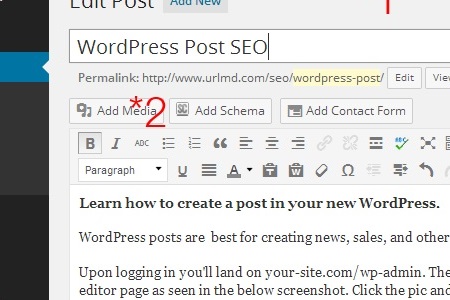
I originally wrote a much shorter version of this article years ago for beginner WordPress users. The old advice was simple: write for users first, write a clear title, add useful content, include images with alt attributes, write an engaging meta description, choose...
